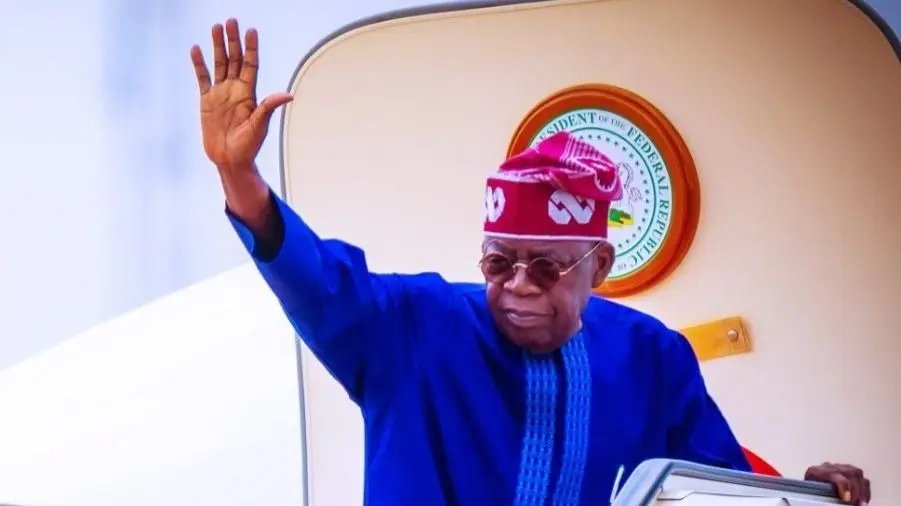

Presidential spokesman Bayo Onanuga has dismissed claims of widespread hunger across Nigeria, arguing that many citizens are already benefiting from the economic reforms introduced by President Bola Tinubu.
Speaking on Arise Television’s Prime Time programme on Tuesday, Onanuga said the administration’s policies were producing tangible results despite criticism from opposition figures and sections of the public.
According to a report by Onanuga argued that narratives about severe hunger became entrenched shortly after Tinubu took office and do not reflect the experiences of many Nigerians.
The presidential aide said he regularly engages with people around him and has not observed the level of hardship often portrayed in public discourse.
Onanuga pointed to ongoing federal infrastructure projects as evidence that government policies are making a difference. He cited a recently completed concrete road along the Ijebu-Ode route and said the Lagos-Calabar Coastal Highway has significantly reduced travel times to parts of Lagos.
He also highlighted programmes such as the Nigerian Education Loan Fund and Nigerian Consumer Credit Corporation, saying they provide direct support to families, students and civil servants through interest-free education loans and affordable credit facilities.
Addressing security concerns, Onanuga accused parts of the media of creating the impression that the entire country is unsafe. While acknowledging security breaches in some areas, he maintained that Nigeria is not under siege and said many parts of the country remain accessible and secure.
The presidential spokesman also criticised comments by Peter Obi on the power sector, arguing that electricity generation has improved under the current administration.
According to Onanuga, Nigeria’s installed electricity generation capacity now stands at about 13,500 megawatts. He said one of the major obstacles facing the sector remains gas supply constraints linked to legacy debts owed to gas companies.
His remarks come amid continuing debate over the impact of Tinubu’s economic reforms, including fuel subsidy removal and foreign exchange market changes, which have drawn both praise and criticism from different segments of society.