
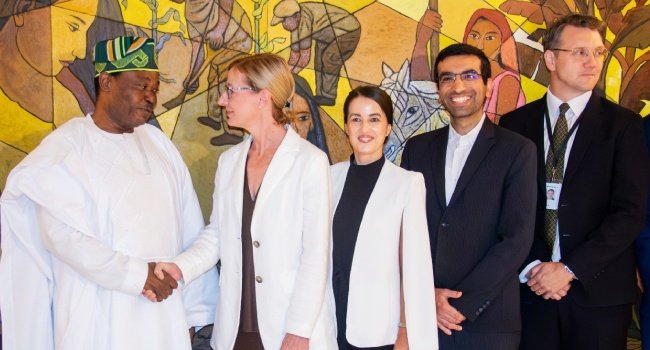
Nigeria has assumed the chairmanship of the United Nations General Assembly’s Fifth Committee, taking responsibility for deliberations on the organisation’s budget and administrative affairs.
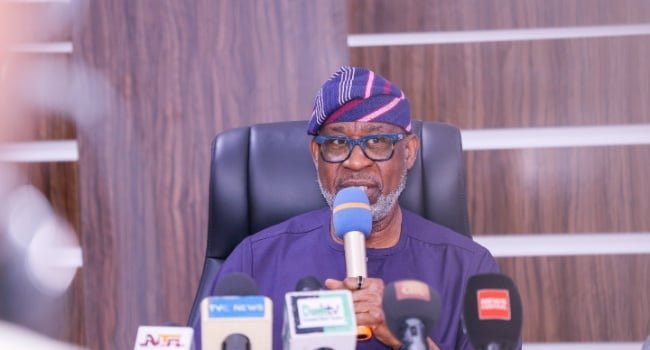
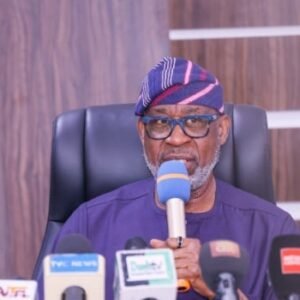
Nigeria’s Permanent Representative to the UN, Jimoh Ibrahim, said the country would use the position to promote transparency, accountability and wide-ranging administrative reforms.
Speaking as Nigeria took over the committee’s leadership, Ibrahim said the chairmanship would not be treated as “business as usual”, stressing that UN resources must be responsibly managed and deliver tangible benefits to its 193 member states.
The Fifth Committee oversees discussions on the UN’s budgets, financial governance, human resources, institutional efficiency, oversight and funding required to implement mandates approved by member states.
Ibrahim said every dollar spent by the UN must be properly accounted for and justified.
Nigeria targets UN administrative structure
The Nigerian envoy said the committee would review the structure of the UN Secretariat, particularly the concentration of personnel in senior positions.
He argued that the heavy concentration at the top could constrain opportunities for new job creation within the organisation.
Ibrahim also identified the United Nations Joint Staff Pension Fund, which has assets of about $110 billion, as an area requiring careful attention.
He said Nigeria would promote consultation, dialogue and consensus-building to bridge differences among member states.
According to him, Nigeria’s leadership would be exercised in the interest of the entire UN membership rather than narrow national interests.
Strategic role for Nigeria and Africa
Ibrahim said Nigeria’s chairmanship carries significant diplomatic importance for both the country and Africa, particularly as the UN faces financial pressures and growing demands for institutional reform.
The Fifth Committee plays a key role in supporting the UN’s work because decisions on peace and security, development, human rights and humanitarian operations require financial and administrative backing.
Nigeria’s leadership comes amid wider discussions on UN reform, institutional effectiveness, financial sustainability and the organisation’s ability to respond to increasingly complex global challenges.