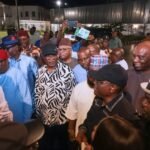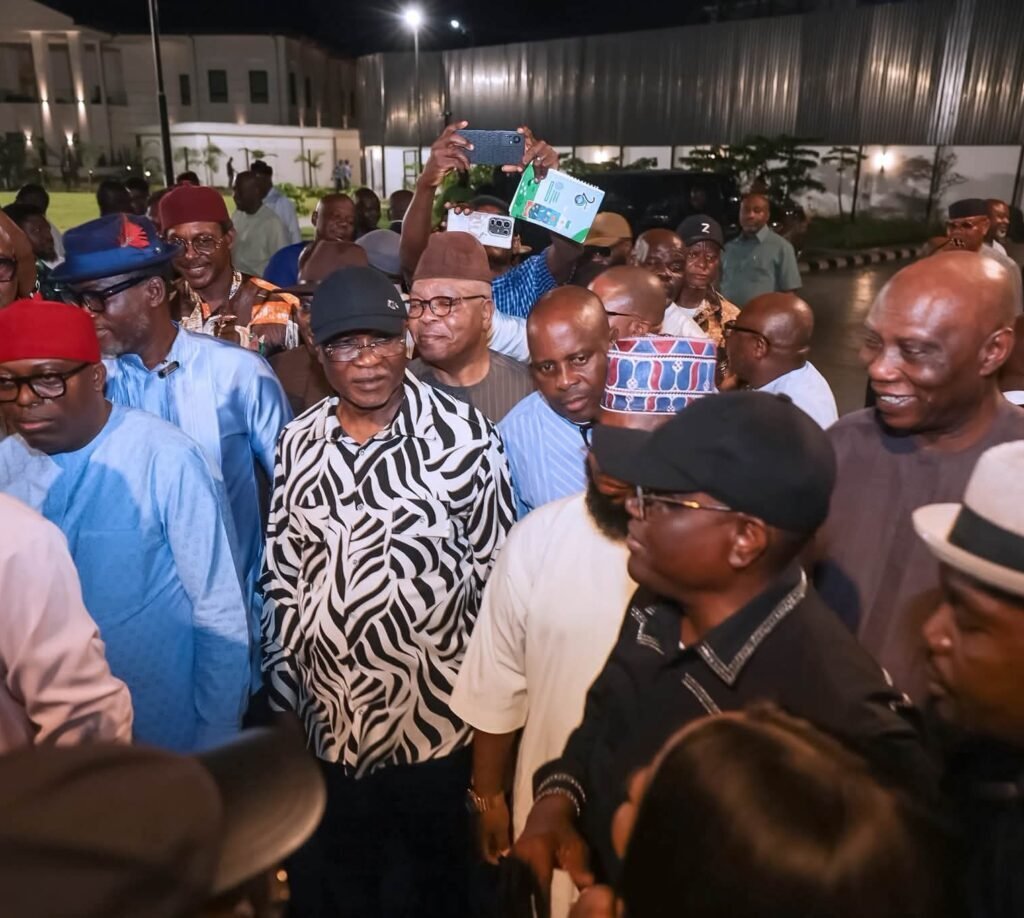

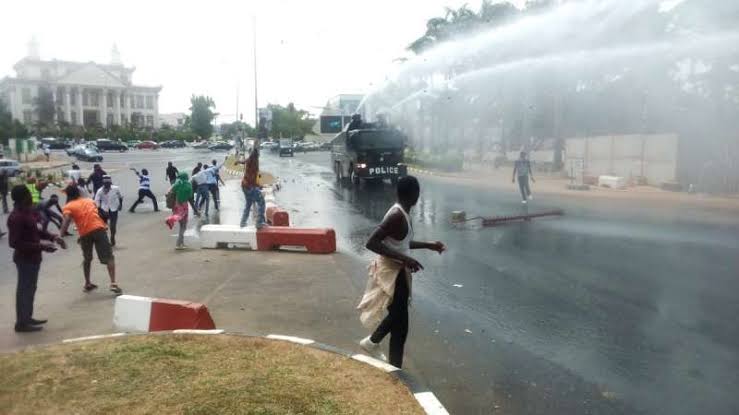
The Islamic Movement in Nigeria, popularly known as Shi’ites, has alleged that the police attacked the peaceful Arba’een symbolic trek in Wuse, Abuja, killing and injuring many of the mourners.
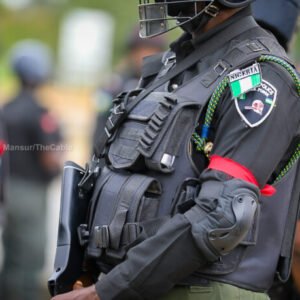
This was as the police, in a quick reaction, also accused the IMN of carrying out an unprovoked attack on its personnel, killing two policemen and critically injuring three others, who are currently in the hospital battling for life.
The Shi’ites, on Sunday, held the Arba’een walk, the ceremonial trek that marks the end of a 40-day mourning period of the death of the grandson of Prophet Muhammad (SAW), Imam Hussain.
The movement, in a statement, signed by Sheikh Sidi Sokoto for the Islamic Movement and the Shi’ites leader, Ibraheem El-Zakzaky, said the walk, which was previously held in Masaka and Zuba axis on Saturday, was peaceful and successful.
They added that medical practitioners were currently attending to the injured protesters, adding that details of those killed, injured, and arrested would be made available subsequently.
READ ALSO:
Stories of how over 1,400 protesters are languishing in Police custody
“We wish to inform the public that the police have attacked the ongoing Arba’een symbolic trek at Wuse District in Abuja and killed numerous mourners. While trying to disperse the Arbaeen trek, the police killed and injured numerous mourners.
“Presently, security agents are busy arresting the Arbaeen trek mourners. Medical practitioners are attending to those critically injured, and details of those killed, injured, and arrested will be made available to members of the press in due course.
“Before the commencement of the trek, we had searched all participants to ensure no infiltration, and the programme would end as scheduled. The Arbeen trek that was conducted yesterday at Masaka and Zuba axis ended peacefully and successfully,” the sect said.
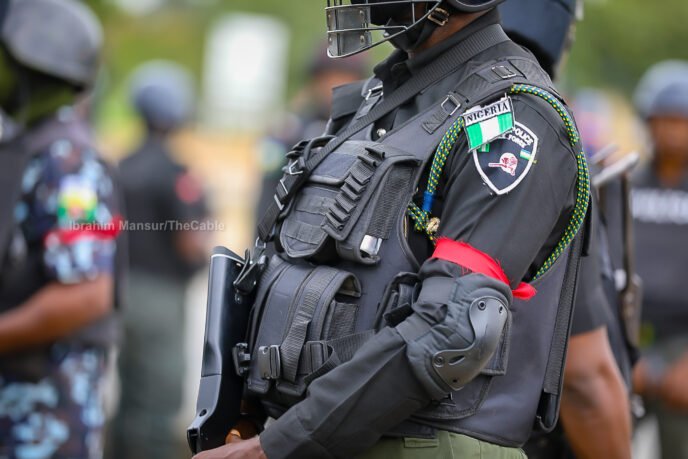
However, in a statement by its spokesman, Josephine Adeh, Federal Capital Territory Police Command, accused the Shi’ites of fomenting trouble, killing officers, and vandalising patrol vans.
“The FCT Police Command wishes to confirm an unprovoked attack by the proscribed Islamic Movement of Nigeria, popularly known as the ‘Shi’ite’ group, on some personnel of the Nigeria Police Force attached to the FCT Command at Wuse Junction by the traffic light, where two police personnel were killed, three left unconscious in the hospital, and three police patrol vehicles set ablaze.
“The proscribed organisation attacked the police checkpoint unprovoked, wielding machetes, improvised explosive devices (locally made bombs in bottles with kerosene), and knives,” the police spokesperson said.
Adeh said several members of the group had been arrested, adding that the Commissioner of Police in the FCT, CP Benneth Igweh, “condemns the unprovoked attack on police officers. He promises to bring those involved to book.”
“The situation is presently under control and normalcy has been restored. Further development will be communicated in due courses,” the statement added.
Newsmen reports that Shi’ites and security agencies in the country have a long history of deadly clashes.
Notably in December 2015, a deadly clash between the Shi’ites and the military in Zaria, Kaduna State left hundreds of the sect members dead with their leader, Sheikh Ibraheem El-Zakzaky, his wife, Zeenat, injured and arrested during a reprisal on their enclave by the military.