
Benin’s former finance minister, Romuald Wadagni, has officially been sworn in as president of the West African nation, succeeding his long-time mentor and predecessor, Patrice Talon.
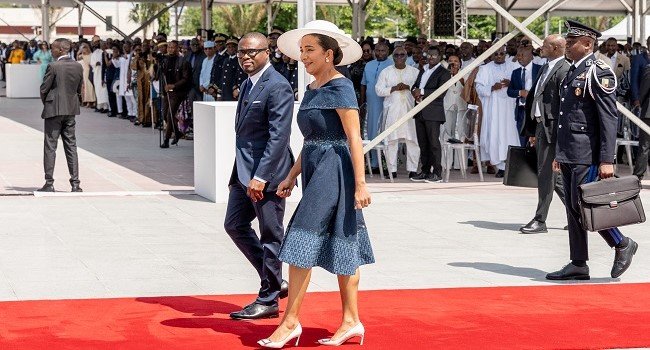
Wadagni took the oath of office in the capital, Cotonou, on Sunday following his decisive victory in the April 12 presidential election, where he secured 94 per cent of the vote. The inauguration marks the start of a seven-year term after constitutional reforms extended Benin’s presidential mandate from five years.
According to Channels Television, Wadagni pledged to lead the country with “integrity, courage and commitment”, while stressing that public office should never become “a personal privilege”.
The 49-year-old economist built a reputation as a technocrat during his decade-long tenure as finance minister under Talon’s administration. During that period, Benin recorded strong economic growth, with the government cutting its fiscal deficit to three per cent of GDP and implementing major public finance reforms.
Despite the economic gains, the new president faces mounting challenges, including widening inequality and growing insecurity in northern Benin linked to jihadist violence spilling over from the Sahel region.
Wadagni vowed to confront the threat posed by extremist groups, including the Al-Qaeda-affiliated Group for the Support of Islam and Muslims (JNIM).
“Benin will not give in to fear nor complacency,” he said during the ceremony. “The government will be firm against all those who threaten our unity and security.”
The election, however, was overshadowed by controversy after the main opposition party, the Democrats, failed to participate due to endorsement issues and internal divisions. Wadagni’s only challenger, Paul Hounkpe, conceded defeat shortly after the vote, and his party later aligned with Wadagni’s coalition in parliament.
The inauguration also signalled a possible thaw in regional tensions. Ali Mahaman Lamine Zeine attended the ceremony, drawing applause from guests amid strained relations between Benin and neighbouring junta-led states, Niger and Burkina Faso.
Nigeria’s Vice President, Kashim Shettima, was also present at the inauguration ceremony.