
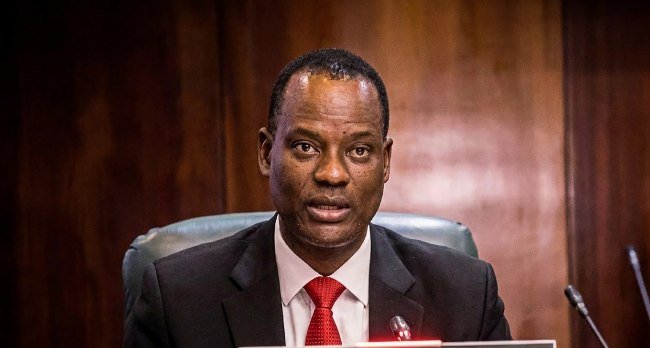
The Federal Government has introduced tighter controls on public spending, cutting the imprest ceiling for ministers to N700,000 under new financial rules aimed at improving accountability across Ministries, Departments and Agencies (MDAs), according to a circular reported by Punch Newspapers.
The directive, contained in the 2026 Annual General Imprest Warrant and issued through the Office of the Accountant-General of the Federation, sets fresh limits on cash advances for government officials. It was signed by Minister of Finance and Coordinating Minister of the Economy Taiwo Oyedele and conveyed via a Federal Treasury Circular.
Under the new structure, ministers will now receive a maximum reimbursable imprest of N700,000. Permanent secretaries and directors-general are capped at N500,000, while directors and heads of departments are limited to N300,000. Lower-ranking imprest holders will receive up to N100,000.
The Office of the Accountant-General, led by Shamseldeen Ogunjimi, said the move aligns with existing financial regulations and is designed to strengthen transparency in public expenditure.
The circular also restricts reimbursement frequency, stating that standing imprest should normally be retired quarterly, with a maximum of twice per quarter where necessary. It further mandates that procurement above N1 million must go through formal contract awards under Nigeria’s Public Procurement Act.
To improve monitoring, MDAs have been directed to submit detailed returns on 2025 imprest usage within 30 days, including lists of approved holders for 2026. Accounting officers are also required to operate dedicated bank accounts for imprest transactions, with monthly reporting to the Treasury.
Officials warned that breaches could lead to sanctions, including withdrawal of imprest approval powers from accounting officers.
The policy forms part of broader public financial management reforms, including tighter treasury controls and electronic payment systems, aimed at reducing leakages and improving accountability in government spending.