
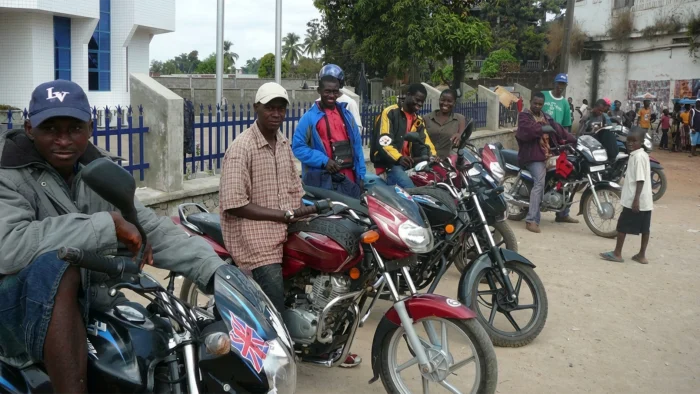
Governor Seyi Makinde has signed an executive order restricting the operations of commercial motorcycle riders, popularly known as okada operators, between 10:30 p.m. and 5:30 a.m. across Oyo State as part of efforts to strengthen security and tackle crime.
According to The Guardian Nigeria, the directive is contained in Executive Order No. 002 of 2026, which was signed on Friday at the Governor’s Office in Ibadan amid growing concerns over insecurity following the abduction of teachers and pupils in Oriire Local Government Area.
Makinde said the order establishes a legal framework for stricter enforcement of vehicle registration laws and traffic regulations. He noted that unregistered vehicles, motorcycles and tricycles are increasingly being used in criminal activities, making investigations difficult for security agencies.
Under the new order, designated enforcement agencies are empowered to arrest offenders and impound vehicles, motorcycles and tricycles operating in violation of the law. Offenders will face prosecution in line with existing legal provisions.
The governor linked the measures to recent security challenges in the state, particularly the abduction of schoolchildren and teachers in Oriire, who have remained in captivity for more than 20 days.
“We are living through very trying times. For more than 20 days, our teachers and pupils have remained in captivity in the hands of terrorists,” Makinde said, assuring residents that efforts are ongoing to secure their release.
He stressed that the restriction on night-time motorcycle operations is aimed at reducing criminal activity, improving surveillance and enhancing public safety. Residents were also urged to report suspicious activities through the state’s toll-free emergency line, 615.
Makinde commended security agencies and the Oyo State Security Network Agency, also known as Amotekun Corps, for their efforts in combating insecurity across the state.
Speaking at the event, Abiodun Aikomo, the state’s Attorney-General and Commissioner for Justice, said enforcement would be carried out by agencies including the Nigeria Police Force and the Oyo State Road Traffic Management Authority.
He added that enforcement agencies would submit periodic reports to the government, while the Office of the Director of Public Prosecutions would oversee prosecutions arising from the exercise. Mechanisms have also been introduced to allow residents report misconduct by enforcement officers.
The signing ceremony was attended by several senior government officials and security stakeholders, including Adebo Ogundoyin and Olanike Adeyemo.