
Security cooperation between Nigeria and the United States is entering a new phase as counter-terrorism efforts increasingly shift towards the Sahel region, according to a report by The Guardian Nigeria.
The report says intelligence and military assessments suggest that extremist groups linked to ISIS and Al-Qaeda have expanded their operations from the Middle East into West and Central Africa, with the Lake Chad Basin and wider Sahel now identified as key hotspots.
It adds that Nigeria has become a central partner in Washington’s evolving strategy, as the United States redirects parts of its counter-terrorism focus towards Africa. The shift is driven by concerns over so-called “ungoverned spaces” which security analysts say allow armed groups to regroup and launch cross-border attacks.
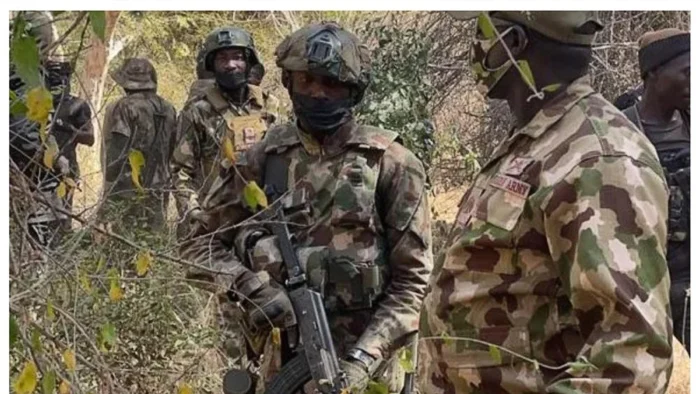
The report also highlights that cooperation between Abuja and Washington has grown through intelligence sharing and joint operations targeting insurgent networks linked to Boko Haram and ISWAP in the North-East and Lake Chad region.
Security experts quoted in the report say the development could improve Nigeria’s counter-terrorism capacity if supported by stronger governance, border security, and regional coordination. However, they caution that military action alone may not resolve wider insecurity challenges, including kidnappings and armed banditry across several parts of the country.
The analysis further notes that instability in neighbouring Sahel states, including Mali, Burkina Faso and Niger, has weakened regional security cooperation, allowing militant groups to exploit porous borders and expand their reach.
Despite reported gains against insurgent groups, the report stresses that Nigeria’s internal security challenges remain complex, requiring a mix of military, political and socio-economic interventions.