
The Senate has disowned a warrant of arrest issued against former Nigerian National Petroleum Company Limited (NNPC) Group Chief Executive Officer, Mele Kyari, by its Public Accounts Committee.
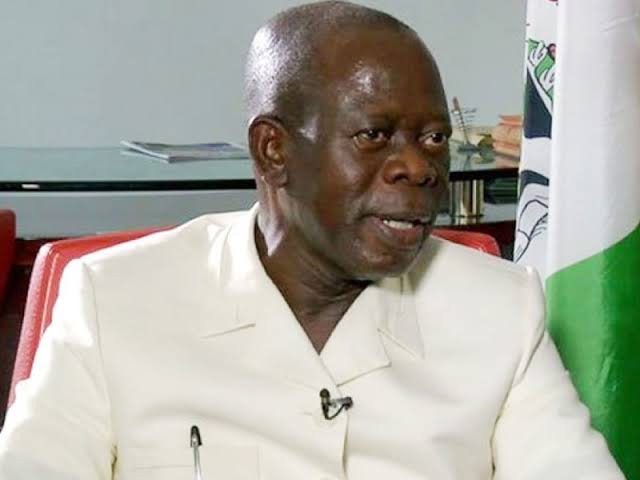
The upper legislative chamber also distanced itself from remarks attributed to Senator Adams Oshiomhole during a committee hearing, where he reportedly described the NNPC as a “bunch of criminals and thieves”.
The development followed a point of order raised during plenary by Senate Leader Opeyemi Bamidele, who cited provisions of the Legislative Houses (Powers and Privileges) Act. He argued that only the Senate President has the legal authority to issue warrants compelling witnesses to appear before the chamber or its committees.
Lawmakers subsequently resolved that the committee had acted beyond its powers and that the warrant should be disregarded. The Senate reaffirmed that its committees must operate strictly within constitutional and procedural limits.
Deputy Senate President Barau Jibrin said the Public Accounts Committee exceeded its mandate, stressing that warrant issuance rests solely with the Senate President.
Senate Chief Whip Tahir Monguno and Minority Leader Abba Moro also urged adherence to due process and restraint in public comments that could prejudice ongoing investigations.
Senator Adamu Aliero described Oshiomhole’s comments as inappropriate, while Senator Orji Uzor Kalu called for a public withdrawal, warning against statements that could criminalise the national oil company.
Responding during the session, Oshiomhole said his remarks were made in the heat of confrontation during the hearing, explaining that he reacted after feeling provoked by comments from an NNPC official. He maintained that his intervention was aimed at defending the integrity of the Senate, while acknowledging that his wording was driven by the moment.
The Senate reiterated its commitment to fair hearing, institutional neutrality and the presumption of innocence, and directed committees to strictly follow constitutional provisions and standing orders in their oversight functions.