
Deadly exchanges between Israel and Hezbollah in Lebanon have further strained a newly signed US-Iran agreement aimed at ending a wider Middle East conflict.
The deal, signed this week by Donald Trump and Iranian President Masoud Pezeshkian, was intended to halt a war that began on 28 February following US-Israeli strikes.
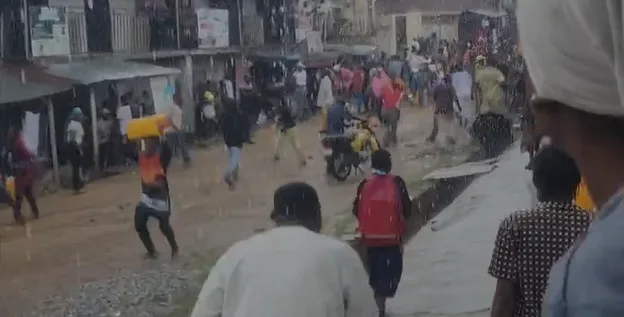
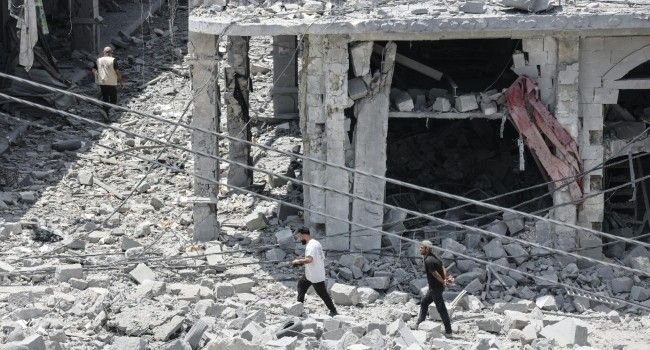
However, renewed violence in southern Lebanon has complicated efforts to stabilise the region. Israel’s military said it struck more than 80 targets linked to Hezbollah, while Lebanon reported civilian and military casualties amid continued cross-border fire.
The accord was also designed to ease tensions involving Iran and open diplomatic talks between Washington and Tehran. Planned negotiations in Switzerland, involving US Vice President JD Vance and Iranian officials, were postponed amid escalating hostilities.
Tehran warned it would not soften its position on core demands, while Israeli leaders signalled that military operations would continue. The situation has raised concern among international mediators, including France, which urged compliance with the agreement.
Tensions have also been linked to the strategic Strait of Hormuz, where shipping activity has begun to recover following earlier disruption during the conflict.
The US military confirmed a partial easing of naval restrictions on Iranian ports, while emphasising continued regional presence.
Channels Television reported that the developments highlight growing fragility in the agreement as regional actors test its limits.