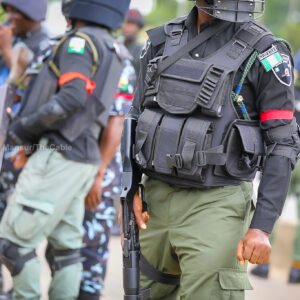
The United States has withdrawn most of its troops deployed to Nigeria for a joint counterterrorism mission in the Lake Chad Basin following the killing of a senior ISIS leader.
According to Punch Newspapers, the withdrawal comes months after a joint US-Nigerian operation eliminated Abu-Bilal Al-Minuki, identified as the second-in-command of the global ISIS network, in Borno State.
Speaking during a digital press briefing after the African Chiefs of Defence Conference 2026, Gen. Dagvin R.M. Anderson said the operation had achieved key objectives, prompting the drawdown of American forces.
Anderson explained that although most US personnel involved in the operation have left Nigeria, security cooperation remains active through intelligence sharing and strategic support requested by the Nigerian government.
He said the partnership between Washington and Abuja had delivered significant gains in disrupting ISIS operations, particularly through intelligence collaboration that enabled the successful targeting of senior terrorist leadership.
According to Anderson, the operation demonstrated that targeted intelligence support and specialised capabilities can often be more effective than maintaining long-term foreign troop deployments.
The US had deployed about 200 military personnel to Nigeria in February 2026 to strengthen intelligence, surveillance and counterterrorism operations in the Lake Chad Basin amid rising concerns over ISIS-linked activities in the region.
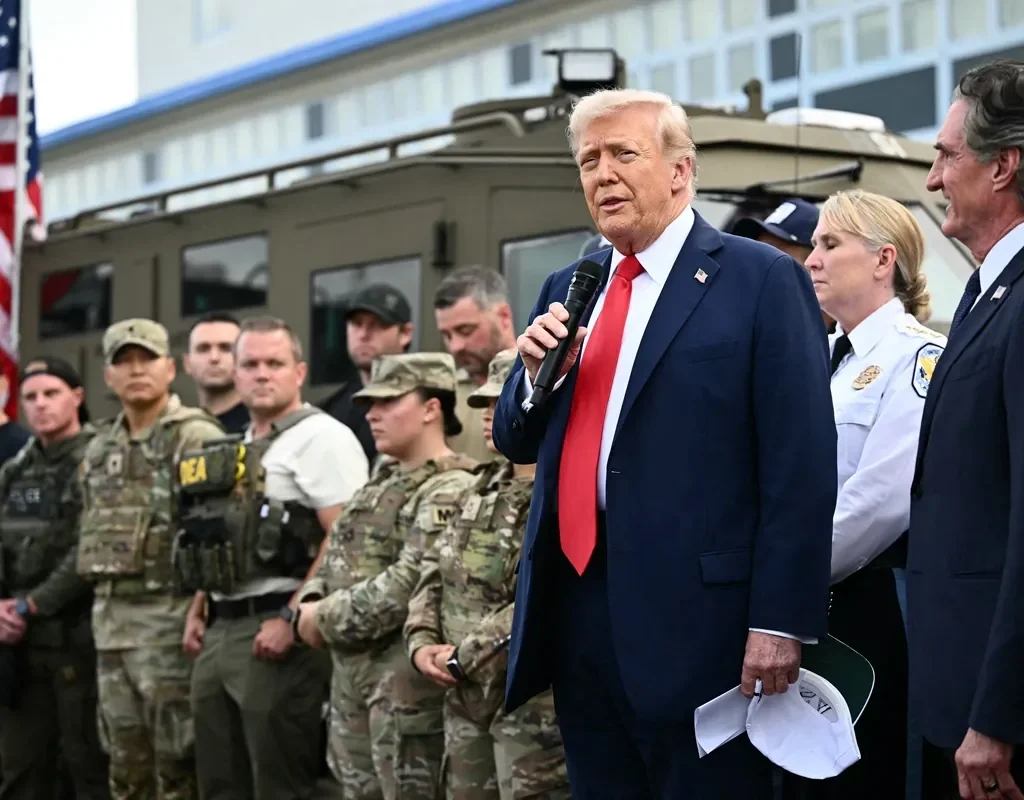
The deployment followed increased security cooperation between Nigeria and the United States under the administration of Donald Trump, who pledged stronger support for counterterrorism efforts in Nigeria.
The partnership intensified after US air strikes targeted terrorist enclaves in Bauni Forest, Tangaza Local Government Area of Sokoto State on December 25, 2025.
Anderson also called for stronger intelligence-sharing across African countries to combat terrorism, drug trafficking and other transnational crimes.
He cited a recent international operation involving United States Africa Command and partner nations that intercepted a record 31-tonne cocaine shipment moving from South America through West Africa, describing it as the largest maritime drug seizure on record.
He stressed that continued collaboration among African nations, international partners and the private sector remains essential to tackling security threats while promoting economic stability across the continent.