
Nigeria is preparing to introduce a Smart Border Management System (SBMS) that will rely on drones, artificial intelligence and real-time intelligence sharing to strengthen surveillance and close thousands of illegal entry points.
The proposal was presented by Rear Admiral S.S. Lassa (Rtd) at a high-level workshop organised by the National Boundary Commission in Abuja on “Border Security, Resilience and Cross-Border Cooperation”.
Lassa warned that weak enforcement across border regions creates openings for smuggling, terrorism, arms trafficking and illegal migration. He referenced the Broken Windows Theory, arguing that neglected border areas can escalate into wider security threats.
Nigeria’s territorial limits span more than 4,454 kilometres across land borders with Benin, Niger, Chad and Cameroon, alongside its maritime domain. Within this space, the country has 364 approved official border control points but nearly 1,497 illegal and unmanned routes reportedly exploited by criminal networks.
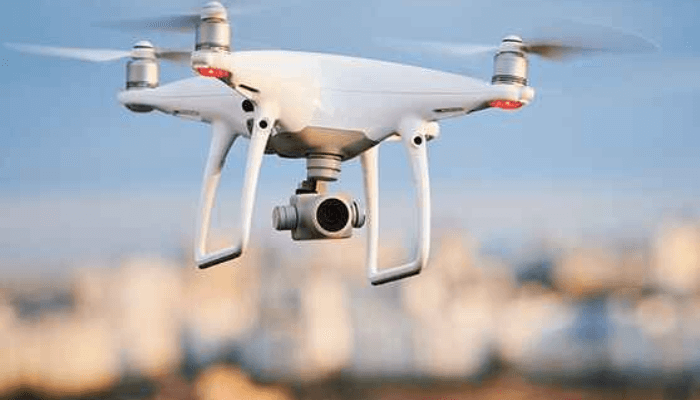
The proposed SBMS would shift Nigeria’s border control approach from manpower-heavy patrols to an intelligence-led system powered by drones fitted with thermal cameras, radar, LiDAR and other sensors for continuous monitoring.
The system would also integrate satellites, biometrics, geospatial intelligence and command centres to improve detection and rapid response to threats.
A central recommendation is the creation of a National Border Data Fusion and Intelligence Centre to coordinate information across immigration, customs, military, police and intelligence agencies.
Other proposals include a National Boundary Geospatial and Drone Unit, tighter drone regulations, indigenous drone production, public-private partnerships and the appointment of a national border coordinator to unify operations.
Lassa said the shift is necessary for Nigeria to move from reactive enforcement to proactive border security capable of protecting territorial integrity and supporting legitimate cross-border trade.