/ Nov 20, 2026
/ Nov 20, 2026

World Bank says Nigeria’s fiscal problem is revenue, not debt

Published on

By

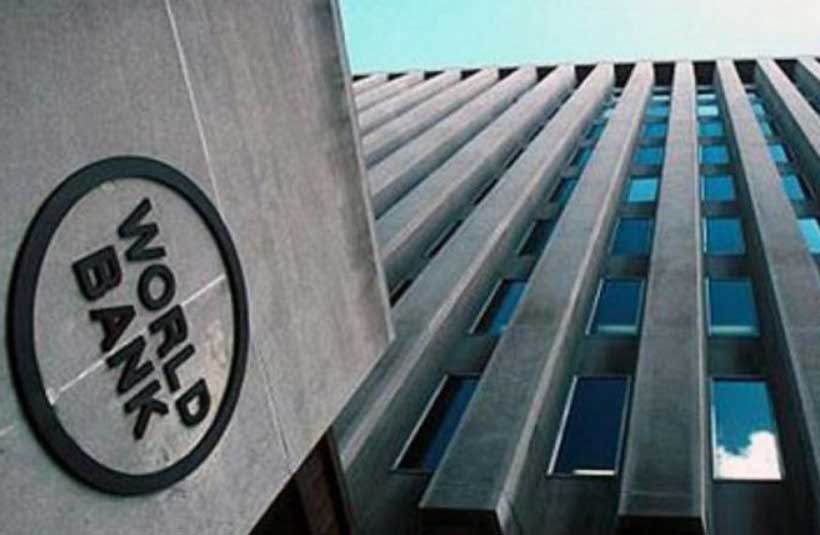
The World Bank has said Nigeria’s biggest fiscal challenge is weak revenue generation rather than rising debt levels.


Speaking in an interview on Channels Television, Mathew Verghis, the World Bank’s country director for Nigeria, said the country’s debt burden remains moderate by international standards.

According to Verghis, Nigeria’s core problem is low revenue mobilisation, which limits the government’s ability to fund development and repay obligations.

“From our assessment, Nigeria doesn’t have a high indebtedness problem, it has a low revenue problem,” he said.

He explained that Nigeria’s debt-to-economy ratio is lower than that of many comparable countries, stressing that the country should not be grouped with nations facing debt distress.

Verghis cited Ghana as an example of a country dealing with debt restructuring, noting that Nigeria’s situation is significantly different.

He said borrowing remains necessary for countries seeking to invest in long-term development projects, especially those that deliver future economic returns.

According to him, governments often rely on debt financing to fund major infrastructure projects, improve public services and stimulate economic growth.

Verghis pointed to the urgent need for improved energy access, noting that connecting millions of Nigerians to electricity would require substantial investment.

He said providing energy access to about 32 million Nigerians would involve significant borrowing but would ultimately strengthen economic productivity and improve repayment capacity.

The World Bank official warned that unless Nigeria significantly improves revenue collection, the country could struggle to meet future debt obligations despite its moderate debt profile.

He added that stronger revenue generation would allow the government to invest more in infrastructure, healthcare, agriculture and digital connectivity while supporting job creation and poverty reduction.

The comments follow the World Bank’s recent six-year country partnership framework for Nigeria, which places job creation at the centre of support through strategic investments in key sectors.

You May Like

Leave a Reply

Your email address will not be published. Required fields are marked *

Most Popular

Must Read

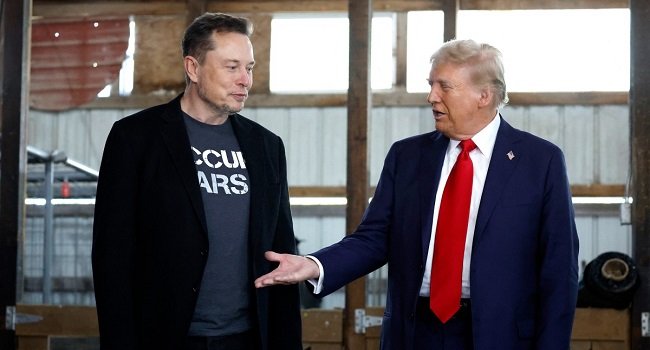
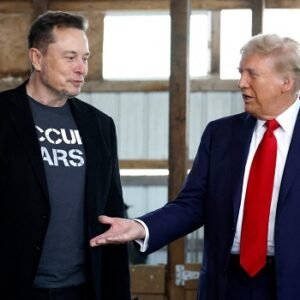
Elon Musk speaks about his political spending and backing of Republican candidates following disappointing US midterm election results.

Musk says he feels ‘Pretty Foolish’ over failed US election 

Elon Musk has admitted he feels “pretty foolish” after spending hundreds of millions of dollars backing Republican candidates in US midterm elections, many of whom lost to Democrats.   The world’s richest man said he was disappointed with the outcome of his political spending, acknowledging that his efforts to influence the elections produced little success. Speaking via videolink at the New York Times Dealbook conference on Wednesday, Musk said he regretted spending so much money without achieving his desired results. “I feel pretty foolish about having spent so much money and not seeing much for it, or maybe it would have been much worse without that,” he said. Musk explained that his objective was to ensure that either the presidency, the House of Representatives or the Senate would be controlled by the opposing party, but admitted that the strategy failed. He said the experience demonstrated that money alone could not determine the outcome of American elections. “Obviously you can put a lot of money into election and have an effect that is relatively minor, and I think that was the case here,” he added. The Tesla and SpaceX chief has previously spent heavily on American politics, including more than $250 million supporting Donald Trump’s return to the White House in 2024. He also briefly headed Trump’s Department of Government Efficiency (DOGE) before the pair fell out publicly. They have since reconciled, with Musk continuing to support Republican candidates backed by the president. One of his biggest political investments was in Texas Senate candidate Ken Paxton, whom Musk reportedly backed with an estimated $220 million. Paxton, however, lost the race to Democrat James Talarico, 37. Musk said he would have spent less money if he could revisit the election campaigns, adding that he did not devote much personal attention to them because of his commitments to Tesla and SpaceX.
Read more

Editor's Pick

Trending News

Newsletter

Enter your email address and receive notifications of news by email.

You have been successfully Subscribed! Ops! Something went wrong, please try again.

© 2026 GongNews. All Rights Reserved.