

The World Bank has said Nigeria’s biggest fiscal challenge is weak revenue generation rather than rising debt levels.
Speaking in an interview on Channels Television, Mathew Verghis, the World Bank’s country director for Nigeria, said the country’s debt burden remains moderate by international standards.
According to Verghis, Nigeria’s core problem is low revenue mobilisation, which limits the government’s ability to fund development and repay obligations.
“From our assessment, Nigeria doesn’t have a high indebtedness problem, it has a low revenue problem,” he said.
He explained that Nigeria’s debt-to-economy ratio is lower than that of many comparable countries, stressing that the country should not be grouped with nations facing debt distress.
Verghis cited Ghana as an example of a country dealing with debt restructuring, noting that Nigeria’s situation is significantly different.
He said borrowing remains necessary for countries seeking to invest in long-term development projects, especially those that deliver future economic returns.
According to him, governments often rely on debt financing to fund major infrastructure projects, improve public services and stimulate economic growth.
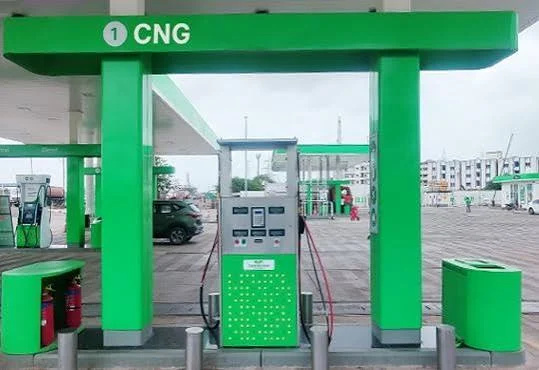
Verghis pointed to the urgent need for improved energy access, noting that connecting millions of Nigerians to electricity would require substantial investment.
He said providing energy access to about 32 million Nigerians would involve significant borrowing but would ultimately strengthen economic productivity and improve repayment capacity.
The World Bank official warned that unless Nigeria significantly improves revenue collection, the country could struggle to meet future debt obligations despite its moderate debt profile.
He added that stronger revenue generation would allow the government to invest more in infrastructure, healthcare, agriculture and digital connectivity while supporting job creation and poverty reduction.
The comments follow the World Bank’s recent six-year country partnership framework for Nigeria, which places job creation at the centre of support through strategic investments in key sectors.