

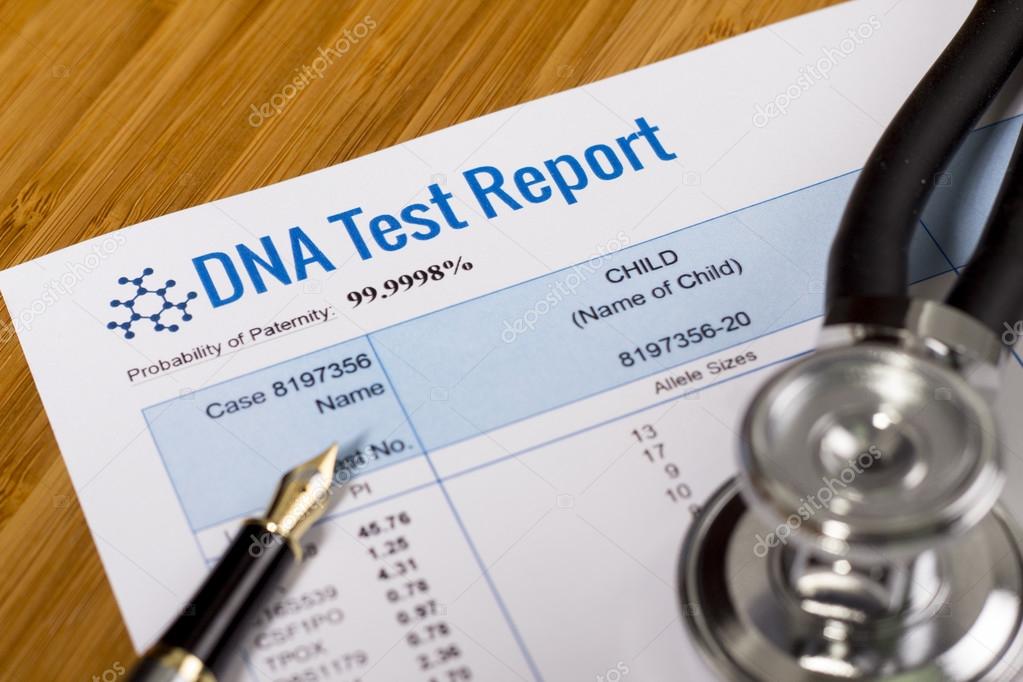
A new report by Lagos-based forensic laboratory Smart DNA has revealed that one in four Nigerian men who took paternity tests in the past year were not the biological fathers of the children in question.
The 2025 Annual DNA Testing Report shows that 25% of men tested between July 2024 and June 2025 received negative results, a slight drop from 27% recorded the previous year.
The findings expose deepening cracks in family trust, particularly in urban centres like Lagos. Shockingly, firstborn children were the most affected – with nearly two-thirds of disputed firstborn sons, and many daughters, confirmed not to belong to their presumed fathers.
“DNA testing is no longer just about disputes,” said Elizabeth Digia, operations manager at Smart DNA. “It is about certainty, documentation, and peace of mind. This pattern raises serious questions about family structures, trust, and social arrangements in urban Nigeria.”
Lagos Hotspots for DNA Testing
The report highlights a sharp rise in DNA demand across Lagos’ fast-growing districts. Lekki led with 20.3% of tests, followed by Yaba (15.8%) and Ajah (10.5%). Mainland hubs Surulere and Ikeja recorded 9% each, while Ikorodu also stood at 10.5%.
Digia explained that this trend reflects the growing urgency among upwardly mobile families, particularly on Lagos Island, where both family disputes and immigration pressures are driving the surge.
Immigration and Male Lineage Drive Testing
Immigration-related tests rose to 13.1% as Nigerians sought documentation amid the ongoing “Japa” migration wave. Most tests involved children aged 0 to 5 (58.6%), suggesting parents want answers early. Boys were tested more often than girls (53.8% vs 46.2%), underscoring cultural emphasis on verifying male lineage for inheritance.
Ethnic and Legal Insights
Yoruba families made up 53% of test requests, Igbo 31.3%, and Hausa just 1.2%. Strikingly, 83.7% of tests were conducted for “peace of mind”, while only 1.4% were court-ordered.
Call for Reform
Nigeria still has no dedicated laws against paternity fraud, leaving many men powerless when deception is uncovered years later. Digia urged reforms: “Public health campaigns should normalise paternity discussions, and DNA testing should be integrated into family health programmes.”
The report concludes that DNA testing is becoming a mainstream family tool in Nigeria, reflecting broader social questions of trust, inheritance, and the rights of parents in an evolving society.




















rrxxhq
h2qalx
0zxexh
x3l6pr
vbrzxk
https://t.me/s/officials_pokerdom/3748
https://t.me/s/Beefcasino_officials
No long roads.
No overexplaining.
Only what matters, when it matters.
Fresh signals.
Clear mechanics.
Moments that feel right — not forced.
This is where rhythm meets timing,
and timing quietly turns into advantage.
You scroll — you get it.
You stay — you feel it.
https://t.me/s/portable_1WIN
Slide in.
Catch the flow.
Stay where momentum lives.
F*ckin’ tremendous issues here. I’m very glad to see your post. Thank you a lot and i am taking a look forward to touch you. Will you kindly drop me a e-mail?