
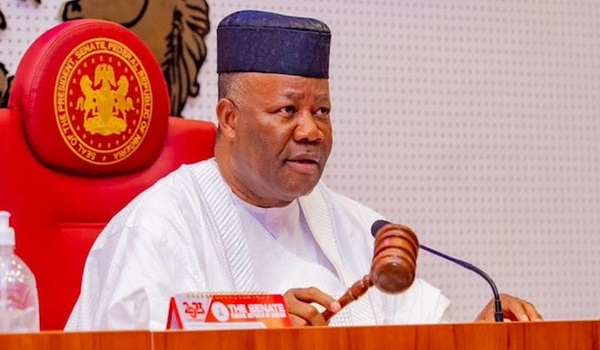
Senate President Godswill Akpabio has denied reports claiming he promised automatic senatorial tickets to lawmakers who lost in the recent primaries of the All Progressives Congress (APC).
According to TheCable, the clarification followed comments Akpabio made while welcoming senators back from a three-week recess and the Eid-el-Kabir break. During the session, he acknowledged concerns among lawmakers affected by the party’s primary elections and suggested efforts were underway to minimise political fallout.
In a statement issued on Saturday by his Special Adviser on Media and Publicity, Eseme Eyiboh, Akpabio described reports that he had guaranteed tickets to unsuccessful senators as misleading.
The statement said the Senate President neither made nor authorised any promise to secure party tickets for lawmakers who lost their primaries. Instead, he said he was expressing sympathy for affected senators and assuring them that the APC leadership was addressing issues arising from the primary election process.
Akpabio noted that the party would release its final list of candidates in line with its constitution and electoral guidelines. He also reaffirmed his commitment to party discipline and due process, stressing that he would not interfere in the APC’s internal processes or make commitments beyond the authority of the National Assembly leadership.
The development comes after 14 serving senators reportedly lost their bids during APC primaries held across several states.
Akpabio Rejects Calls for Public Military Probe
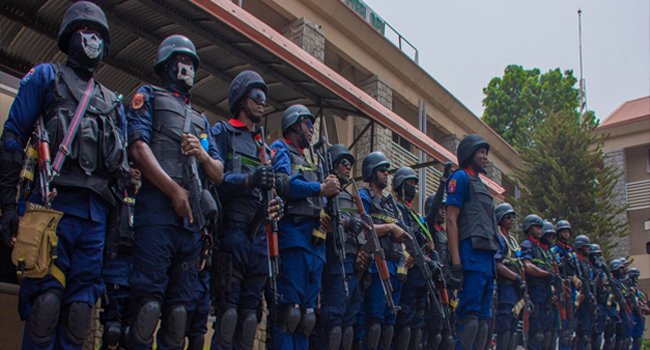
The Senate President also responded to reports suggesting the National Assembly should launch a public investigation into recent military-related security incidents.
While acknowledging that legislative oversight is a constitutional responsibility, Akpabio argued that a public probe is not appropriate at a time when Nigerian troops are engaged in operations against terrorism, banditry and other security threats.
He warned that public legislative scrutiny of ongoing military operations could affect troop morale and operational effectiveness. Instead, he advocated closer collaboration and private engagements between lawmakers and security agencies.