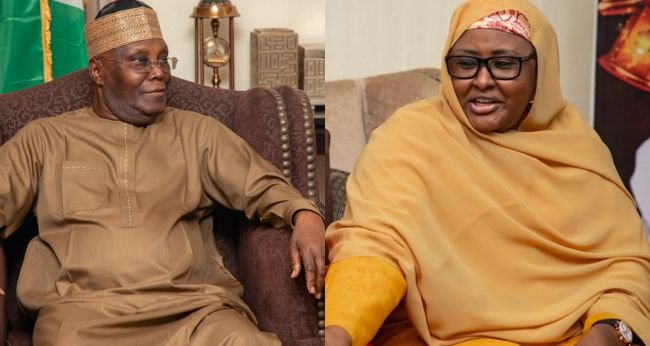

Former Vice President and African Democratic Congress presidential candidate, Atiku Abubakar, has raised concerns over reports of young Nigerians allegedly selling their kidneys to cope with worsening economic hardship.
In a statement posted on X on Thursday, Atiku said he had heard “disturbing stories” of young people turning to the sale of body organs, particularly kidneys, to raise money.
He said Nigerians should be “selling dreams, ideas and innovation, not their body organs”, describing the reported development as a situation that should concern the country.
Atiku claimed some young Nigerians were reportedly being offered as little as ₦1.7m for a kidney, although PUNCH said it could not independently verify the figure.
He attributed the alleged trend to rising living costs, citing food, transport, rent, school fees, medicine and electricity among expenses that have become increasingly difficult for many Nigerians to afford.
The former Vice President said existing laws against commercial organ sales and trafficking were insufficient without addressing the poverty and desperation that could leave vulnerable people exposed to criminal networks.
He called for economic reforms focused on affordable food, cheaper transportation, accessible healthcare, decent jobs and improved opportunities for young Nigerians.
Atiku also linked his criticism directly to President Bola Tinubu’s economic policies, saying, “Tinubu made Nigeria expensive. I will make Nigeria affordable again.”
His comments followed recent police investigations into an alleged organ-trafficking syndicate. According to PUNCH, the Nigeria Police Force recently paraded four suspects, including two nephrologists, over the alleged operation.
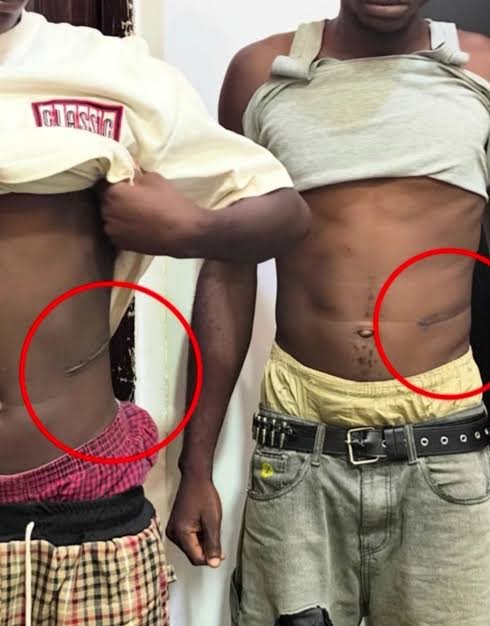
Police said one suspect, Emmanuel Ode, allegedly admitted to recruiting victims and told investigators that a 22-year-old man had been lured to a hospital in Abuja in April, where his kidney was allegedly harvested for $1,250, said to be about ₦1.7m.
Investigators reportedly said the alleged syndicate targeted financially vulnerable young people in Nasarawa and neighbouring areas.
The claims come amid wider concerns over organ trafficking and the exploitation of economically vulnerable Nigerians.