
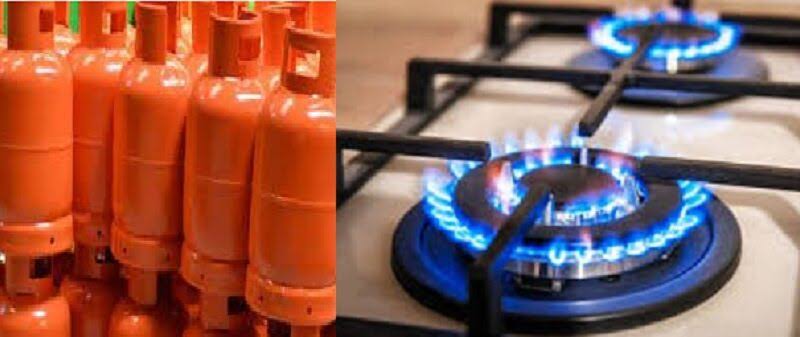
Gas marketers in Nigeria have raised alarm over worsening scarcity and soaring prices of Liquefied Petroleum Gas, popularly known as cooking gas, with retail prices climbing to as high as ₦1,500 per kilogram in some parts of the country.
The Nigerian Association of Liquefied Petroleum Gas Marketers (NALPGAM) said the situation has triggered severe hardship for households, food vendors, small businesses and low-income earners who depend on LPG for cooking and daily operations.
In a statement reported by Channels Television, the association said marketers now pay between ₦25.2 million and ₦26.2 million for 20 metric tonnes of cooking gas, depending on location.
NALPGAM described the development as “sad and pathetic”, warning that the rising cost of cooking gas could spark public frustration against gas filling stations if urgent action is not taken.
The association blamed the crisis on persistent supply shortages, high depot prices, logistics bottlenecks and increasing operational costs faced by marketers across the country.
According to the group, many Nigerians who previously embraced cooking gas under the Federal Government’s clean energy transition campaign are now struggling to refill cylinders due to unaffordable prices.
NALPGAM warned that the situation threatens years of progress made in promoting LPG as a safer alternative to kerosene, charcoal and firewood.
The marketers added that many households are already returning to traditional cooking fuels despite the health and environmental risks linked to deforestation and indoor pollution.
The association also cautioned that the crisis could worsen food inflation, force small LPG retail businesses to shut down, lead to job losses and weaken investor confidence in Nigeria’s clean energy sector.
NALPGAM called on the Federal Government, the Ministry of Petroleum Resources, the Nigerian Midstream and Downstream Petroleum Regulatory Authority, the Nigerian National Petroleum Company Limited and other stakeholders to urgently stabilise the market.
The group urged authorities to improve LPG supply nationwide, increase domestic allocation, ensure transparent distribution, reduce importation and storage bottlenecks, and introduce measures to protect consumers from excessive price hikes.
NALPGAM also appealed for greater investment in storage and distribution infrastructure to guarantee long-term affordability and sustainability in the sector.