
Nigeria is facing a heightened risk of Ebola virus disease importation following fresh outbreaks in the Democratic Republic of Congo (DRC) and Uganda, according to the Nigeria Centre for Disease Control and Prevention (NCDC), as reported by Channels Television.
The NCDC said its latest risk assessment classified the threat level as high, citing increased regional transmission, cross-border movement, and international travel as key drivers of concern.
Director-General of the NCDC, Jide Idris, stated that although Nigeria has recorded no confirmed Ebola case, the situation in neighbouring countries presents a significant public health risk. He noted that symptoms of Ebola can also resemble other endemic illnesses such as malaria and Lassa fever, potentially delaying detection.
The agency confirmed that Nigeria’s national Emergency Operations Centre (EOC) has been placed on alert mode, while the incident management system has been activated to strengthen coordination and preparedness.
States located near land borders and major entry points have been identified as particularly vulnerable, with surveillance activities being intensified across these regions.
The NCDC also said laboratories in states with international points of entry have been placed on standby to ensure rapid testing of suspected cases. Rapid response teams have been placed on alert for immediate deployment if required.
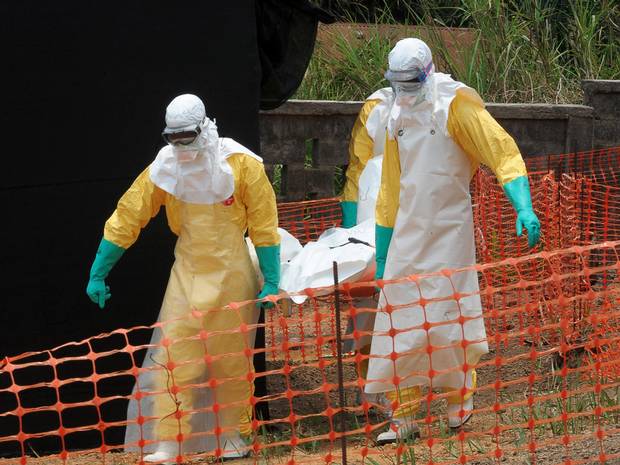
According to the agency, response measures in affected countries include surveillance, contact tracing, laboratory testing, infection prevention and control, and public sensitisation campaigns.
The NCDC added that Nigeria retains key Ebola response capacities built from previous outbreaks, including trained personnel, functional emergency operations centres, and established viral haemorrhagic fever preparedness systems.
Public communication efforts have also been intensified to counter misinformation, with updated Ebola myths and facts materials distributed across media platforms and communities.