
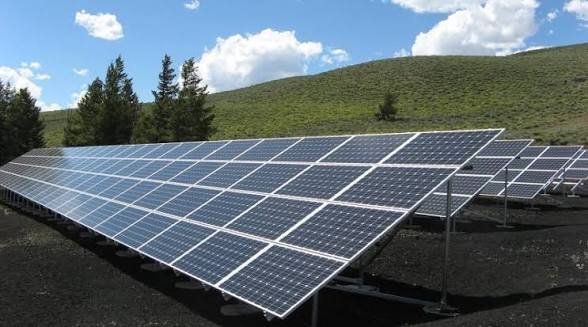
Nigeria is pursuing an ambitious energy transition plan that could see the country generate 209,000 megawatts of electricity from solar power by 2050, supported by 53 large-scale solar projects worth about $11 billion.
The projects form part of a growing pipeline of renewable energy investments designed to strengthen Nigeria’s electricity supply, diversify its energy mix, and improve access to power, particularly in underserved communities.
Over 1,300 Mini-Grids Planned
Alongside utility-scale solar developments, the Federal Government is advancing rural electrification through a nationwide programme led by the Rural Electrification Agency.
The initiative will deploy more than 1,300 solar mini-grids and off-grid systems, including 250 interconnected mini-grids that will feed electricity into the national grid. The programme is backed by $750 million in public funding and is expected to attract an additional $1.1 billion in private investment.
REA Managing Director Abba Aliyu described the project as one of the world’s largest publicly funded renewable electricity programmes.
He said the initiative would help position renewable energy as a major alternative source of electricity and support the government’s goal of expanding power access across the country.
Renewables at the Centre of Energy Strategy
According to Aliyu, the government aims to provide electricity to 17.5 million Nigerians within three years through structured renewable energy programmes.
Nigeria has already deployed more than 1,000 mini-grids nationwide, with over half financed by the REA. Additional support is coming through the Distributed Access through Renewable Energy Scale-up (DARES) programme, backed by the World Bank.
The programme seeks to expand access to clean energy through solar mini-grids, standalone systems and battery storage solutions, while replacing more than 250,000 diesel generators.
Solar Capacity Growing
The report notes that Nigeria added 803MW of solar capacity in 2025, bringing total installed solar capacity to approximately 1,019MW, according to the Global Solar Council.
Nigeria’s renewable energy push also aligns with the Mission 300 programme, a World Bank-supported effort aimed at connecting 300 million Africans to electricity by 2030. Since its launch in January 2025, the initiative has reportedly delivered electricity access to 44 million people across the continent.
Long-Term Targets
While gas-fired plants remain Nigeria’s dominant source of electricity generation, renewable energy currently contributes about 23 per cent of the country’s energy mix, driven mainly by hydropower and solar projects.
The Federal Government has set targets for renewables to account for 30 per cent of electricity generation by 2030 and 82 per cent by 2050, supporting Nigeria’s broader energy transition strategy and commitment to achieve net-zero emissions by 2060.
Most of the projected growth is expected to come from solar energy, with the country aiming to reach 209,000MW of installed solar capacity by 2050.