
Lagos State Government has unveiled an ambitious plan to tackle persistent electricity shortages and establish a round-the-clock power supply system, aiming to end the long-standing culture of blackouts in the commercial hub.
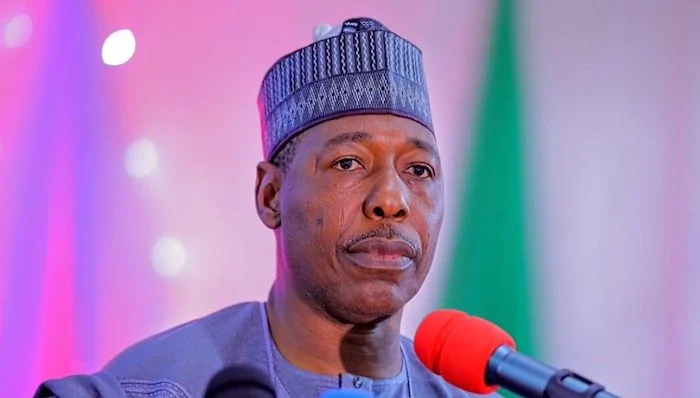
Speaking at the 2026 Ministerial Press Briefing in Alausa, Ikeja, Biodun Ogunleye said the roadmap is anchored on private-sector investment, independent power generation, smart metering and regulatory reforms.
According to Channels Television, Ogunleye said the initiative is being driven by the implementation of the Lagos State Electricity Law 2024, which he described as a key step in positioning Lagos as Africa’s leading subnational electricity market.
The commissioner said the state targets 95 to 100 per cent grid availability, full metering coverage and a reduction in energy losses to single digits by 2030. He said the strategy includes stronger regulatory institutions, investor-friendly policies and an expanded network of independent power producers.
Ogunleye disclosed that the Lagos State Electricity Regulatory Commission has issued 14 licences and permits to electricity operators and is expected to begin a 100 per cent metering rollout in July 2026.
He also revealed plans for an AI-powered monitoring platform known as the Electric Eye of Lagos, designed to track electricity trading and power delivery in real time across the state.
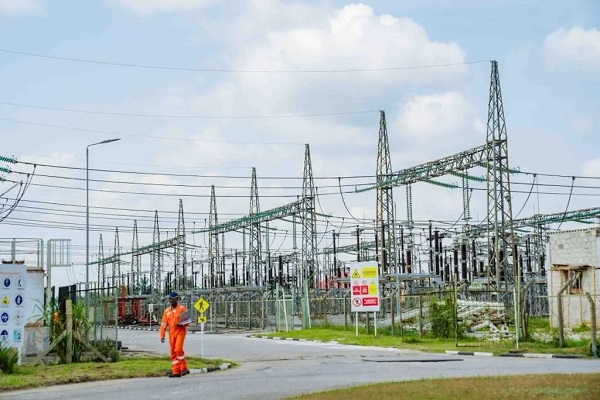
The state currently has 12 independent power producers under regulation, with seven already operating commercially, according to the commissioner. He added that key infrastructure projects are underway, including a 37.7-kilometre power corridor in Badagry and a new integrated energy corridor in Lekki-Epe.
The government said it has also expanded solar infrastructure, deploying 42,000 smart solar streetlights across major roads. Nearly 40,000 solar-powered streetlights are already operational, while 22,000 conventional lights have been replaced.
Public institutions are also benefitting. Gbagada General Hospital now receives between 21 and 22 hours of daily electricity after transformer upgrades, while renewable energy systems have been installed in 52 secondary schools and 11 primary healthcare centres.
The commissioner added that Lagos is investing in cleaner transport infrastructure, with 244 vehicles converted to compressed natural gas and 17 CNG stations expected before the end of the year.
Ogunleye said the broader goal is to build a resilient and sustainable energy system through strategic infrastructure investment and stronger private sector participation.