
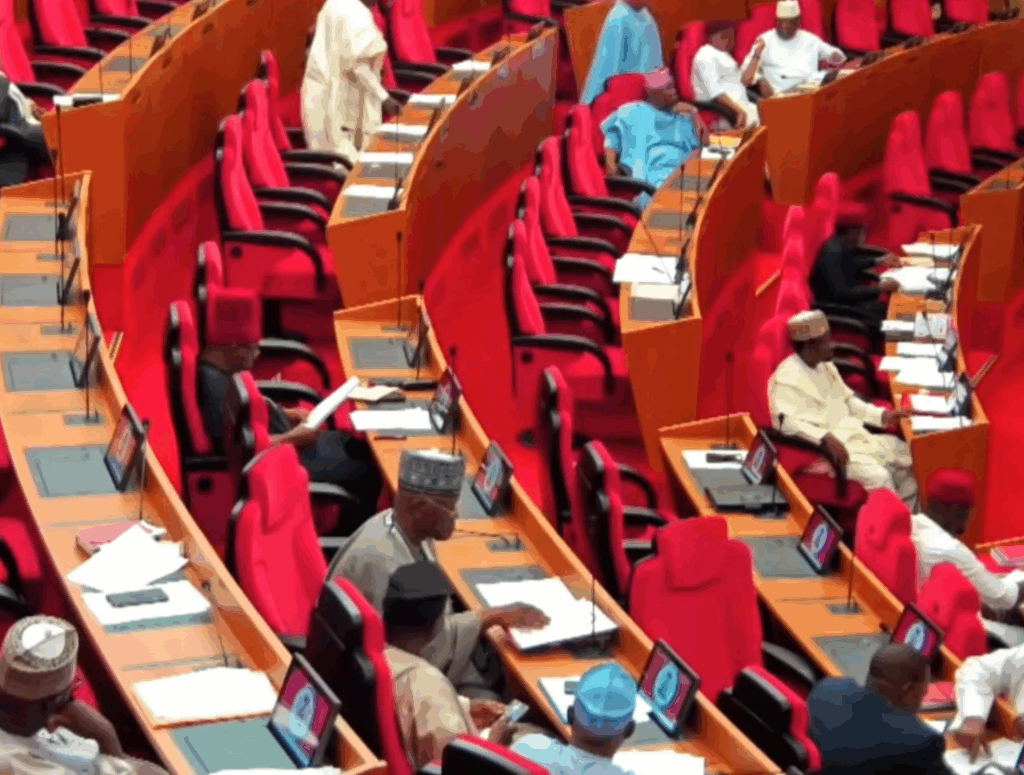
Nigeria’s Senate has passed a bill seeking to establish the National Agency for Malaria Elimination, marking a major step in the country’s efforts to tackle one of its deadliest public health challenges.
The legislation, sponsored by Ned Nwoko, scaled third reading after lawmakers adopted a report presented by the Senate Committee on Health (Secondary and Tertiary), chaired by Ipalibo Harry Banigo.
According to a report by Channels Television, the proposed agency will coordinate national malaria elimination programmes and shift Nigeria’s response from treatment-focused measures to strategies centred on prevention and eradication.
The committee said the agency would establish zonal and state offices to drive implementation through a framework based on law, science and accountability.
President of the Senate, Godswill Akpabio, described the bill as a landmark intervention in the fight against malaria, noting that the disease remains one of the country’s most widespread health threats.
Speaking with Senate correspondents after the bill’s passage, Nwoko said malaria elimination in Nigeria is achievable. He explained that the agency would promote initiatives such as effective waste management, environmental fumigation and vaccine research to reduce transmission and eventually eradicate the disease.
He added that the agency’s establishment could position Nigeria as the first malaria-free nation in Africa.
The development comes amid growing global efforts to combat malaria. Last month, the World Health Organization approved a malaria treatment specifically designed for newborns and infants for the first time.
The treatment, Artemether-lumefantrine, was granted WHO prequalification status after meeting international standards for quality, safety and effectiveness. Previously, infants were treated using formulations intended for older children, increasing the risk of dosage errors and side effects.
WHO Director-General Tedros Adhanom Ghebreyesus said advances in vaccines, diagnostics, mosquito nets and medicines are helping to turn the tide against malaria but stressed that sustained political and financial commitment remains essential.
According to WHO data, an estimated 282 million malaria cases and 610,000 deaths were recorded across 80 countries in 2024. Africa accounted for 95 per cent of infections and deaths, while children under five represented about three-quarters of malaria-related fatalities.
The global health agency also warned that progress against the disease continues to face challenges, including drug resistance, insecticide resistance, diagnostic failures and declining foreign aid funding.