
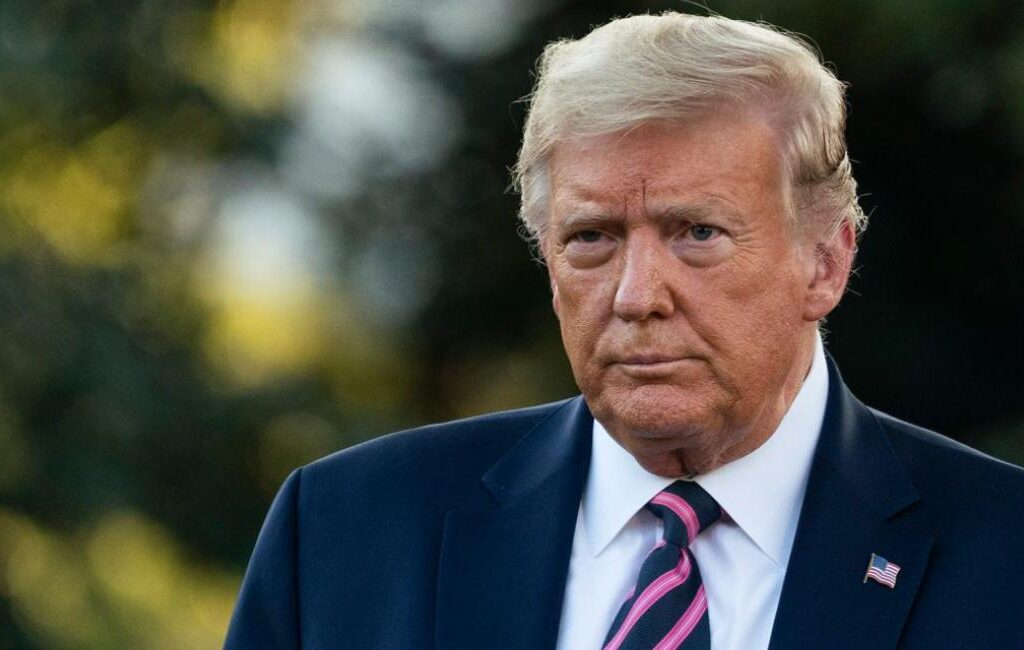
United States President Donald Trump has directed that Nigerians and other foreign nationals applying for green cards must return to their home countries to complete the process, except under what authorities described as “extraordinary circumstances”.
The new immigration policy was disclosed by the United States Citizenship and Immigration Services in a statement issued on Friday.
According to the agency, the move is aimed at restoring the “original intent” of US immigration law by requiring applicants seeking permanent residency to process their applications through American consular offices abroad under the supervision of the United States Department of State.
The agency stated that temporary residents already in the United States would no longer be allowed to begin the green card adjustment process from within the country in most cases.
“We’re returning to the original intent of the law to ensure aliens navigate our nation’s immigration system properly. From now on, an alien who is in the U.S. temporarily and wants a Green Card must return to their home country to apply, except in extraordinary circumstances,” the statement said.
USCIS spokesman Zach Kahler said the policy would reduce the number of migrants remaining illegally in the country after unsuccessful residency applications.
According to him, processing applications from applicants’ home countries would make it easier for immigration authorities to manage compliance and reduce overstays.
The agency explained that the rule would particularly affect students, tourists and temporary workers in the United States on nonimmigrant visas.
“Nonimmigrants, like students, temporary workers, or people on tourist visas, come to the U.S. for a short time and for a specific purpose. Our system is designed for them to leave when their visit is over. Their visit should not function as the first step in the Green Card process,” the statement added.
USCIS also said the change would allow the agency to focus more resources on other immigration priorities, including applications involving victims of violent crimes, human trafficking cases and naturalisation requests.
The development follows a series of immigration restrictions introduced under the Trump administration.
In December 2025, the administration reportedly suspended the processing of green card and citizenship applications filed by Nigerians and nationals of other countries affected by the expanded US travel ban.
The suspension mainly affected immigrants already living legally in the United States who were seeking permanent residency or citizenship through status adjustments.
The administration also directed USCIS to freeze immigration petitions from nationals of 19 countries covered by the travel restrictions announced in June 2025.
According to reports, the decision came after the Thanksgiving week shooting of two National Guard soldiers in Washington DC, allegedly carried out by an Afghan national.