
/ May 21, 2026
/ May 21, 2026

65 years of freedom? Nigerians still shackled by poverty, hunger and violence – Dan Bello

Published on

By

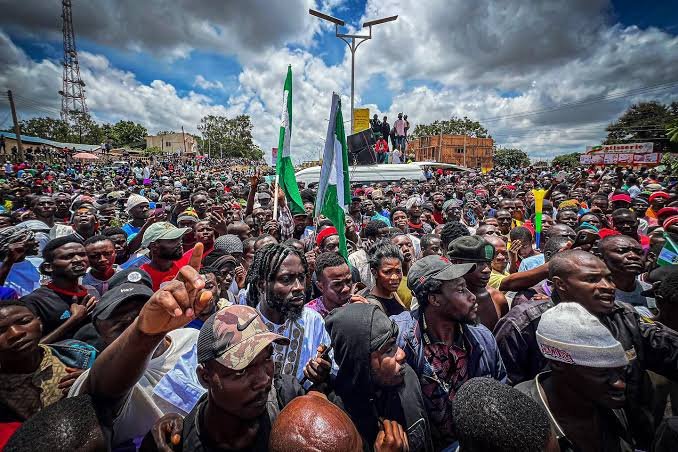
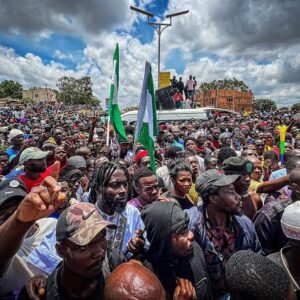
Today, Nigeria celebrates 65 years of independence. Flags will wave, speeches will be read, and anthems sung. Leaders will declare that the nation is “free.”

But free from what?

Yes, Nigeria broke the chains of white colonialism in 1960. Yet, six decades later, citizens remain enslaved — not by foreigners, but by poverty, hunger, violence and corruption.

A Nation at War with Itself

Take Kano, the so-called “Centre of Commerce.” In neighbourhoods like Kurna, gangs known as Daba rule the night. Armed with machetes and guns, they terrorise communities, forcing mothers to hide their sons and fathers to guard their doors. What should be a city of trade has become a city under siege.

This is the fruit of “freedom.”

Independence should have meant schools, not street gangs.

Independence should have meant jobs, not overcrowded jailhouses.

Independence should have meant safety, not fear.

Leaders Who Colonise Their Own People

The tragedy is not just the absence of progress, but the betrayal of promise. The very leaders who inherited Nigeria from colonial rule now colonise their own people — through corruption, neglect, and failed governance.

Unlike the white man who robbed the nation while speaking a foreign tongue, today’s rulers plunder while calling us “my people” in our own language.

The Real Independence Nigerians Want

After 65 years, Nigerians do not crave parades and speeches. They want:

Security in their streets.

Opportunities for their children.

Food on their tables.

Justice in their courts.

Until then, the annual celebration of independence will remain hollow — a festival of flags covering the wounds of a bleeding nation.
65 years of freedom? Nigerians still shackled by poverty, hunger and violence
Nigeria @65 emblem

You May Like

3 thoughts on “65 years of freedom? Nigerians still shackled by poverty, hunger and violence – Dan Bello

Leave a Reply

Your email address will not be published. Required fields are marked *

Most Popular

Must Read

Minister of Education Tunji Alausa announces payment of outstanding BEA scholarship allowances to Nigerian students abroad.

FG begins N4bn payment of outstanding BEA scholars’ allowances

The federal government has commenced the payment of N4 billion in outstanding allowances owed to beneficiaries of the Bilateral Education Agreement, BEA, scholarship programme studying abroad.   According to TheCable, the ministry of education confirmed that the Central Bank of Nigeria has remitted the approved funds to Nigerian embassies and missions for immediate disbursement to eligible scholars. In a statement issued on Wednesday by Boriowo Folasade, director of press and public relations, the ministry said the payment represents 50 per cent of the approved outstanding obligations for 2025. Minister of Education, Tunji Alausa, said efforts are ongoing to clear the remaining balance. “The funds have already reached embassy accounts, and affected missions are expected to begin immediate payments to beneficiaries,” the statement said. The ministry advised affected students to monitor their accounts as payments begin to reflect. The federal government said the development reflects the commitment of President Bola Tinubu to the welfare and academic success of Nigerian students studying overseas. The BEA scholarship programme was established through agreements with countries including China, Russia, Algeria, Hungary, Morocco, Egypt and Serbia. Under the arrangement, host countries provide tuition and accommodation, while Nigeria pays allowances covering health insurance, medicals, books, transport and feeding. Last year, the federal government discontinued the programme for new applicants following allegations of fraud and concerns that the scheme had deviated from its original purpose. TheCable had earlier reported that delays in stipend payments left several Nigerian scholars stranded abroad, with some reportedly facing eviction and financial hardship. The ministry reiterated its commitment to meeting obligations to Nigerian scholars and sustaining policies aimed at improving education and human capital development.
Read more

Editor's Pick

Trending News

Newsletter

Enter your email address and receive notifications of news by email.

You have been successfully Subscribed! Ops! Something went wrong, please try again.

© 2026 GongNews. All Rights Reserved.