
The United States and Iran exchanged fresh military strikes on Monday, further straining a fragile ceasefire and dimming hopes of a breakthrough in ongoing negotiations aimed at ending hostilities and reopening the strategically vital Strait of Hormuz.
According to AFP, as reported by Channels Television, the latest escalation comes after weeks of difficult negotiations marked by sharp rhetoric and intermittent violence. The talks have yet to produce an agreement on key issues, including Iran’s nuclear programme and security concerns across the Middle East.
The US military said it carried out what it described as “self-defence strikes” against Iranian radar and drone control facilities in southern Iran over the weekend. Washington said the operation was launched in response to the downing of a US MQ-1 drone and marked the third wave of such strikes within just over a week.
In response, Iran’s Revolutionary Guards announced they had targeted an air base allegedly used by US forces to launch the attacks. Iranian state broadcaster IRIB reported that officials did not disclose the location of the facility.
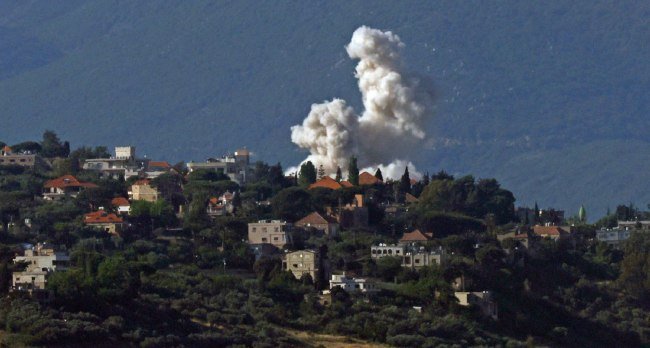
The exchange coincided with renewed regional tensions, as Israeli forces expanded military operations in Lebanon. Israeli Prime Minister Benjamin Netanyahu pledged to deepen the offensive, while Lebanon accused Israel of pursuing a scorched-earth strategy in areas affected by the conflict.
Negotiations between Washington and Tehran remain deadlocked over several major issues. The United States continues to demand guarantees that Iran will not develop nuclear weapons, while Iran insists its nuclear programme is strictly for civilian purposes.
Reports by The New York Times and Axios indicated that US President Donald Trump recently submitted a revised and tougher framework proposal to Iran. However, details of the proposed agreement have not been made public.
Trump has repeatedly stated that any deal must ensure Iran does not acquire nuclear weapons and must also restore free navigation through the Strait of Hormuz, a crucial shipping route for global oil supplies.
Iranian negotiator Mohammad Bagher Ghalibaf said Tehran would not approve any agreement unless the rights of the Iranian people were fully protected. Iranian officials also reiterated demands for the release of $12 billion in frozen assets before meaningful nuclear discussions can proceed.
Disagreements also persist over the future management of the Strait of Hormuz. While Trump suggested Iran would not impose tolls on vessels under a future agreement, Iranian media reported that no such provision currently exists in negotiations. Iranian lawmakers are reportedly considering measures that could establish administrative fees and reinforce Tehran’s sovereignty claims over the waterway.
Meanwhile, fighting in Lebanon remains a significant obstacle to wider peace efforts. Tehran has insisted that any comprehensive agreement must address the conflict involving the Iran-backed Hezbollah movement and Israel.
The United Nations Security Council is expected to hold an emergency meeting on Monday following Israel’s capture of the strategic Beaufort Castle and the continued escalation of military operations in southern Lebanon.
The developments underscore the growing complexity of efforts to secure a diplomatic resolution, with military confrontations continuing to threaten already fragile negotiations.